
Modern caravans are significant investments carrying everything you need for months or years on the road. From solar panels and annexes to bikes and kayaks, you’re hauling valuable gear that needs protection. Adding cameras and monitoring systems transforms your mobile home into a properly secured base camp.
The challenge isn’t whether to add security (you should), but understanding which type of system makes sense for your setup. Dash cams for towing safety? Reversing cameras for tight spots? Full perimeter monitoring for free camping? Each serves different purposes, and getting the wrong system leaves gaps in coverage or burns through your 12V budget.
Camera Types for Caravanners
Not all cameras are created equal when you’re living on the road. Your needs differ significantly from a suburban homeowner with mains power and Wi-Fi. Understanding the main categories helps you build the right system for your travel style.
Dash Cameras
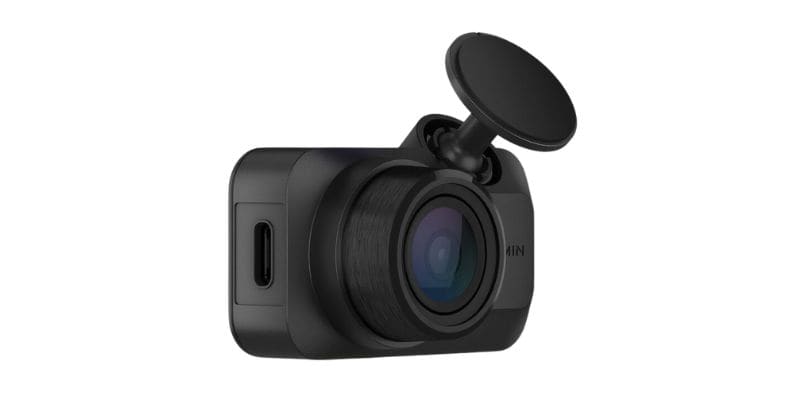
Dash cams serve dual purposes: insurance protection and towing analysis. They capture incidents while driving and help you review tight manoeuvres or assess your towing technique. Front-facing units mount to your windscreen, while dual-channel systems add a rear camera for complete coverage.
The best caravan dash cams handle high temperatures, store weeks of footage, and include GPS logging. Look for units that can withstand 70°C+ cabin temperatures common in Australian summers.
Check current price
Reversing Cameras
Reversing cameras aren’t luxury items when you’re manoeuvring 7+ metres of vehicle. They’re safety equipment that prevents expensive mistakes and keeps pedestrians safe in crowded caravan parks.
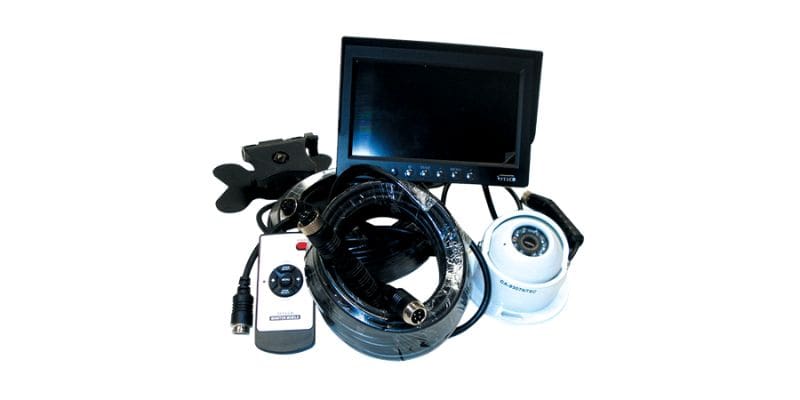
Safety Dave is the dominant brand in the Australian caravan reversing camera market, and for good reason. Their kits are purpose-built for caravans and trailers, with robust wireless systems that hold up to the vibration and temperature extremes of outback travel. If you ask around at any caravan park, Safety Dave is the name you’ll hear most often.
Wired systems offer the most reliable connection but require cable runs from camera to monitor. Wireless versions eliminate installation complexity but can suffer interference from other electronic devices. Digital wireless systems perform better than analogue but cost more.
Check current price
Check current price
Mount your reversing camera as high as possible on the rear wall to see over bikes, spare wheels, and other gear that might block lower-mounted units.
Security Cameras
Security cameras protect your investment during extended stops. They deter theft, capture evidence if incidents occur, and let you monitor your site remotely. Options range from simple motion-activated units to sophisticated systems with live streaming and smartphone alerts.
Battery-powered cameras offer installation flexibility but require regular charging. Solar-powered units work well for extended free camping. Hardwired systems provide constant power but need 12V connections and cable management.
Multi-Purpose Camera Systems
Integrated systems combine multiple camera types into one cohesive setup. These typically include a central monitor that displays feeds from reversing, side, and security cameras. While more expensive initially, they often provide better value than buying separate systems.
Monitoring System Options
Beyond cameras, comprehensive monitoring systems track multiple aspects of your caravan’s security and status. These systems provide peace of mind whether you’re hiking for the day or sleeping in unfamiliar territory.
Motion Detection and Alarm Systems
Motion detectors trigger alerts when movement occurs around your caravan. PIR (passive infrared) sensors detect body heat and work well for perimeter monitoring. Microwave sensors detect any movement but can trigger false alarms from swaying trees or passing wildlife.
The best caravan motion systems include multiple zones, adjustable sensitivity, and the ability to arm and disarm specific areas. You want to detect genuine threats without constant false alarms from possums or wind.
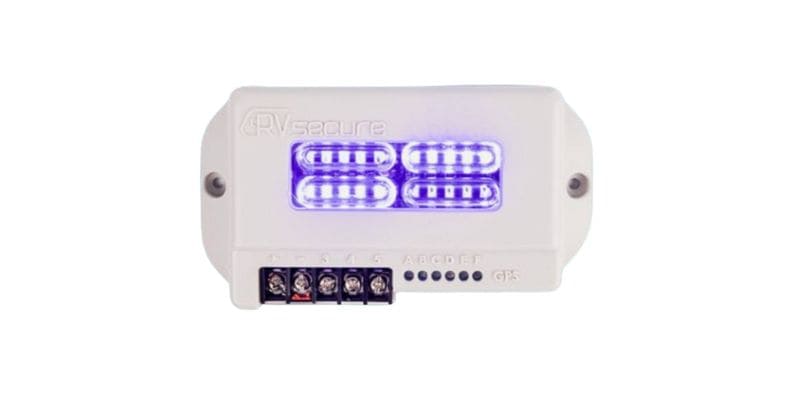
RVsecure makes the most capable purpose-built caravan alarm systems available in Australia. Their range covers everything from basic trailer alarms to fully integrated smart security with smartphone control.
Check current price
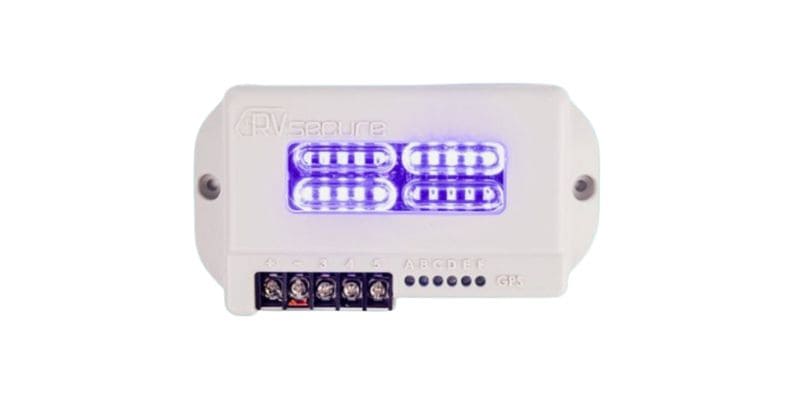
Check current price
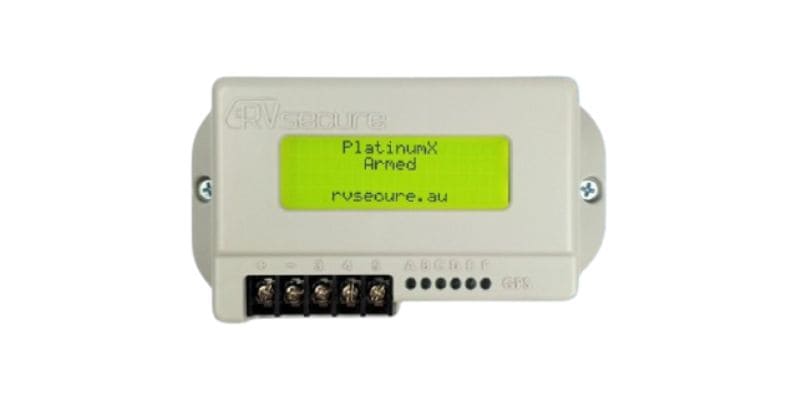
Check current price
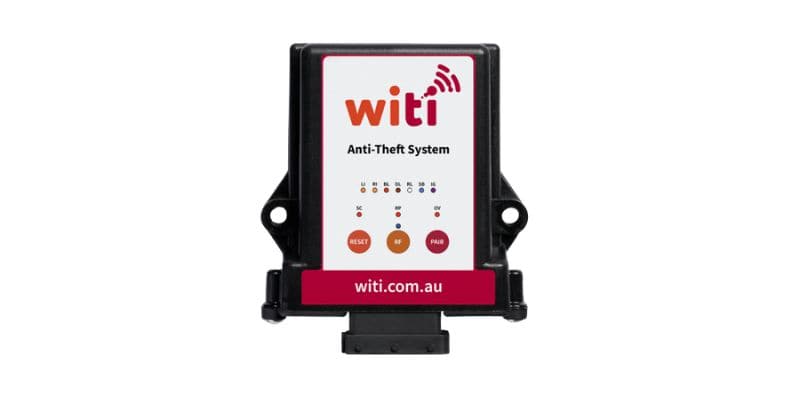
Check current price
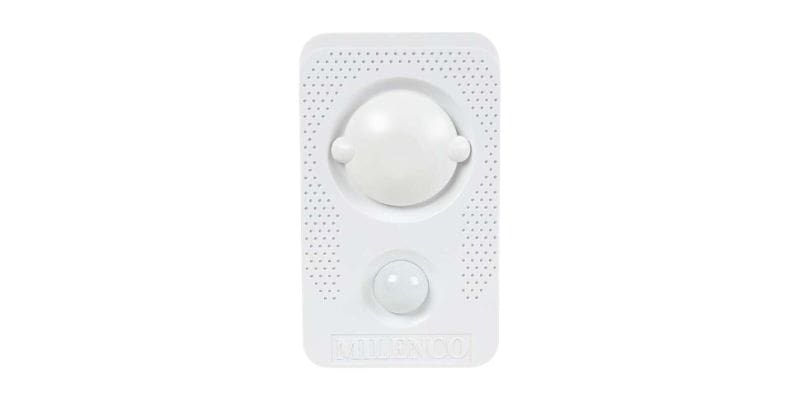
Check current price
Door and Window Sensors
Contact sensors on doors and windows provide the first line of defence. They trigger immediately when entry points open, giving you the earliest possible alert. Magnetic sensors are simple and reliable, while smart sensors can distinguish between authorised and unauthorised access.
For caravans, prioritise sensors that handle the vibration and movement of road travel. Cheap home security sensors often fail from constant motion and temperature cycling.
Portable Wireless Options
Not every situation calls for a hardwired system. The Oricom WRC001 Wireless Reversing Camera is a good example of a practical portable solution. The magnetic base means it attaches without drilling, making it useful for borrowed vehicles, hired tow cars, or situations where you don’t want a permanent installation. It carries an IPX6 waterproof rating and runs entirely wirelessly, so setup takes minutes.
GPS Tracking Systems
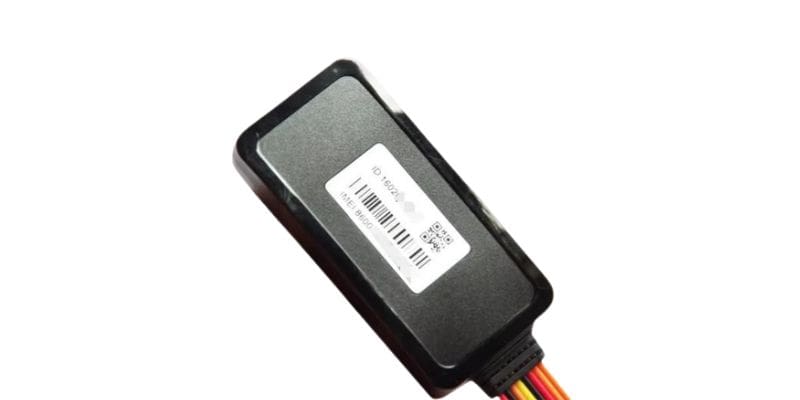
GPS trackers let you locate your caravan if stolen and monitor unauthorised movement. Cellular-based trackers provide real-time location updates but require ongoing subscription fees and mobile coverage. Satellite trackers work anywhere but cost significantly more.
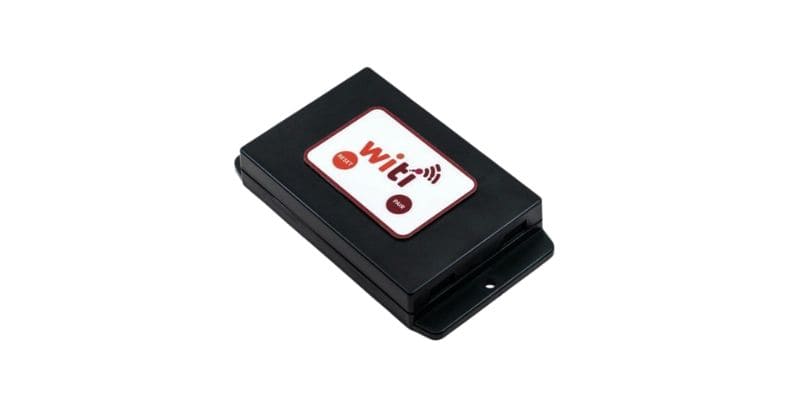
One standout option in the Australian market is the RVsecure GPS, which integrates directly with their alarm systems and carries no ongoing subscription fee. The WiTi system also supports GPS integration through SafeTrack, giving you real-time location data alongside the intrusion detection alerts.
Check current price
Check current price
Hidden GPS trackers only help after theft occurs. They’re insurance, not prevention. Combine GPS tracking with visible deterrents and active monitoring for complete protection.
Power & Connectivity Requirements
Camera and monitoring systems can quickly drain your 12V system if not properly planned. Understanding power consumption and connectivity options prevents system failures when you need security most.
Power Consumption Planning
Security cameras typically consume 2 to 8 watts continuously, while monitoring systems use 1 to 3 watts for base stations plus sensor power. A basic four-camera system with recording capability might draw 20 to 30 watts continuously, equating to 480 to 720 watt-hours daily.
Calculate your total security power budget before choosing systems. Battery-powered cameras reduce continuous drain but require regular charging schedules. Solar-powered cameras work well for perimeter monitoring but need adequate sunlight exposure.
Connectivity Options
Modern monitoring systems offer multiple connectivity methods. Wi-Fi systems work well when you’re connected to caravan park networks but fail in remote areas. Cellular systems provide broader coverage but require mobile signal and data allowances.
Hybrid systems switch between Wi-Fi and cellular automatically, using Wi-Fi when available and cellular as backup. This approach minimises data usage while maintaining connectivity in most locations.
Storage Requirements
Video storage needs grow quickly with multiple cameras recording continuously. A single 1080p camera generates roughly 2 to 4GB daily, depending on compression settings. Local storage using SD cards or USB drives provides immediate access but limited capacity.
Cloud storage offers unlimited capacity and remote access but requires constant internet connectivity and ongoing subscription costs. Consider hybrid approaches that store locally with cloud backup for critical events.
Set cameras to record on motion detection rather than continuously. This dramatically reduces storage requirements and power consumption while capturing the events you actually care about.
Installation Considerations
Proper installation makes the difference between a security system that works reliably and one that creates constant frustration. Caravan installations face unique challenges from road vibration, weather exposure, and limited mounting options.
Mounting Locations
Camera placement requires balancing coverage, weather protection, and aesthetic impact. Exterior cameras need weatherproof housings and secure mounting that survives highway speeds. Interior cameras should be discreet but provide clear views of entry points.
Consider your typical camping setup when planning camera positions. Cameras that work perfectly when your annexe is deployed might have blocked views when packed up. Plan for both travel and camping configurations.
Cable Management
Wired systems require careful cable routing to prevent damage from road vibration and weather. Use automotive-grade cables rated for temperature extremes and UV exposure. Secure cables every 300 to 400mm to prevent fatigue failures.
Entry points into the caravan need proper sealing to prevent water ingress. Use cable glands designed for caravan applications rather than basic grommets that can leak over time.
Professional vs DIY Installation
Simple systems like dash cams and basic reversing cameras suit DIY installation. Complex multi-camera systems with integrated monitoring might warrant professional installation to ensure reliable operation and maintain warranty coverage.
Professional installation costs $300 to $800 depending on system complexity but includes warranty coverage and proper cable management. DIY installation saves money but requires technical skills and tool investment.
Our Top System Recommendations
Based on real-world caravan use, these setups provide the best combination of reliability, features, and value for different travel styles.
Best Budget Setup
For caravanners wanting basic security without breaking the budget, start with the Safety Dave 5.8GHz reversing camera system and the Garmin Dash Cam Mini 3 for tow vehicle protection. Add the Milenco Caravan Alarm with Remote for basic intrusion detection. This three-component setup covers the essential security bases and keeps total cost well under $600.
Best Mid-Range System
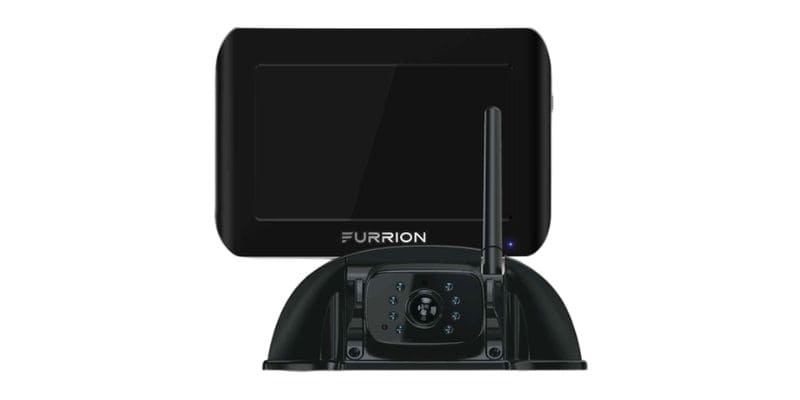
The sweet spot for most caravanners combines a quality reversing camera with a capable alarm and GPS tracking. Pair the Furrion Vision S 7″ camera and display kit with the RVsecure Defender Mk2 for movement detection and add the RVsecure GPS for no-subscription tracking. A solid combination with professional features at a manageable price.
Premium Integrated Solution
Serious travellers spending months in remote locations should look at the WiTi Anti-Theft System with WiTi GPS / SafeTrack integration, combined with the RVsecure PlatinumX for maximum perimeter coverage. Add the RVsecure Protector Canopy Alarm to cover annexes and external storage. This setup gives full-time nomads commercial-grade protection across every zone of their campsite.
System Comparison
| System Type | Coverage | Power Draw | Installation | Best For |
|---|---|---|---|---|
| WiTi + RVsecure PlatinumX Most Complete | 360° perimeter + intrusion + GPS | Moderate continuous | Professional recommended | Extended remote camping |
| Garmin Mini 3 + Safety Dave | Driving incidents + reversing | Low when active only | DIY friendly | Park to park travellers |
| Milenco + RVsecure Defender Mk2 | Entry points + movement | Very low continuous | DIY installation | Budget-conscious security |
| Furrion Vision S + RVsecure GPS | Reversing + GPS tracking | Low to moderate | Moderate DIY | Mid-range full-time travellers |
| Oricom WRC001 | Reversing only | Zero continuous draw | Simple magnetic mount | Temporary or portable use |
Choose your system based on travel style, budget, and technical comfort level. Weekend warriors need different solutions than full-time nomads spending months in remote locations. Start with essential safety features like a reversing camera, then add security components as budget allows.
- Start with essential safety: a reversing camera and dash cam for towing protection
- Safety Dave is the dominant reversing camera brand for Australian caravanners and the popular starting point
- RVsecure and WiTi offer the most capable purpose-built caravan alarm and tracking systems available locally
- The RVsecure GPS adds tracking to your alarm system with no ongoing subscription fee
- Calculate power consumption carefully to avoid draining your 12V system
- Motion-triggered recording reduces storage needs and power consumption significantly
- Professional installation is recommended for complex multi-camera or integrated alarm systems
Comment (0)