
Hydronic heating is the premium way to warm a caravan: gentle, silent, even heat around the whole van, plus hot water from the same unit. This guide covers how it works, what to look for, and the systems worth considering in Australia for 2026, from the benchmark Alde Compact 3020 to Australian-made diesel hydronic kits.
What Is Hydronic Heating and How Does It Work?
Hydronic heating is “wet” central heating for a caravan. A central boiler warms a water and glycol mix, and a 12V pump circulates that warm fluid through a closed loop of pipework and slim convectors run around the van, usually low along the walls at skirting height and often under the floor. Heat radiates and convects off that pipework, warming the whole van gently and evenly rather than blasting hot air from one or two vents.
The clever part for full-time living is that the same boiler almost always heats your domestic hot water at the same time, through a heat exchanger or an integrated tank. One unit does cabin heat and shower and tap water. That dual job is a big part of why people spec it.
Contrast that with a ducted air heater, whether a standard diesel unit or the air side of a Truma Combi. Those blow warm air through ducting to floor vents. They warm the van faster, but they are noisier and prone to hot spots near the vents and cold spots at the far end. Hydronic trades that instant blast for quiet, even, background warmth you can leave running.
Is Hydronic Heating Right For Your Van?
Be honest with yourself before you spend the money, because hydronic is the most expensive and install-heavy way to heat a caravan. It rewards a particular kind of traveller and is overkill for everyone else. It earns its keep if:
- You live in cold country full-time: Tasmania, the alpine areas of Victoria and New South Wales, and inland winter nights where it drops below zero. Silent, even heat and warm floors are a genuine quality-of-life upgrade when you are in it for months.
- You want one system for heat and hot water: hydronic and Combi units heat the van and your shower water together, which tidies up the whole setup.
- You are buying or optioning a new van: a full wet system like Alde is realistically a factory-fit decision, so the time to choose it is at build, not after.
- Condensation is your enemy: convectors under the windows create a warm-air curtain that cuts the film on cold glass, a real health and comfort point for full-timers.
If your lap is mostly warm-weather touring, or your rig is already close to its payload limit, hydronic is hard to justify. A light diesel air heater does the job for a fraction of the weight and cost.
A plain diesel air heater does not heat your hot water. Readers assume it does all the time. If you want cabin heat and hot water from one unit, you need a hydronic system or a Truma Combi, not a bare air heater.
What to Look For When Buying
Hydronic systems are not interchangeable, and the differences matter more here than with a simple air heater. Here is what actually counts when you are weighing up options.
- Energy source and modes: gas plus 240V (Alde, Truma Combi E), diesel (Dieselheat, Eberspacher, Webasto), or diesel plus a 240V element (Truma Combi D6E). The best systems let you combine fuels: burn gas or diesel off-grid, run on mains power when you are plugged in, or fire both for a faster warm-up on a cold morning.
- Heat output (kW): roughly 4 to 6kW covers most vans. Alde puts out up to 5.5kW on gas, the Truma Combi D6 around 6kW, and the diesel furnaces modulate from about 1.3kW up to 5kW so they can idle quietly or push hard when it is truly cold.
- Does it heat hot water too: this is the whole point for most buyers. Alde heats water through its glycol tank coil, the Truma Combi units carry a 10L tank, and the diesel hydronic kits run 9 to 15L. Confirm the tank size and how fast it recovers.
- Weight and payload: a full wet system adds real kilos once you count the boiler, pipework, convectors and litres of glycol. If your rig is near its GVM, that matters. Diesel air-plus-water units are lighter than a full convector loop.
- Factory or professional fit: this is not a weekend DIY job like a bare air heater. A full Alde loop is routed around and under the van and is almost always factory-fitted. The diesel hydronic and Combi units are more retrofit-friendly but still a proper professional install.
- Ongoing maintenance: wet systems need the glycol changed roughly every two years to keep corrosion and bacterial protection up. Factor that into the ownership cost.
If you are having a van built, decide on hydronic before the walls go up. Retrofitting a full wet loop into a finished van is expensive and disruptive, so the cheap time to option it is at the factory.
The Best Hydronic Systems for 2026
We have weighed up the hydronic and hydronic-adjacent systems worth considering in Australia, from the true whole-van wet setup to the diesel kits that do heat and hot water in one. Remember that most of these are specced at build or fitted professionally, so pricing is install-dependent rather than off-the-shelf.
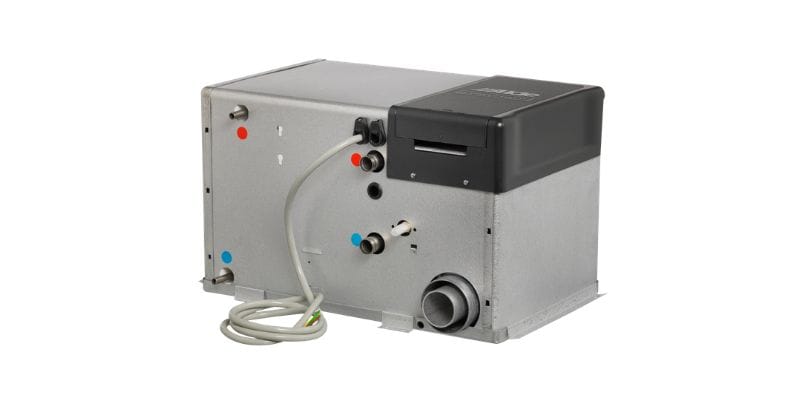
✔ Pros
- Silent, even, best-in-class heat
- Warm-floor option and window convectors that cut condensation
- Heats hot water from the same boiler
- Gas and electric, combinable
✗ Cons
- Effectively a factory-fit only decision
- Heaviest and dearest option, and install adds thousands
- Glycol change roughly every two years
- No live AU shelf price, verify current pricing with the vanbuilder
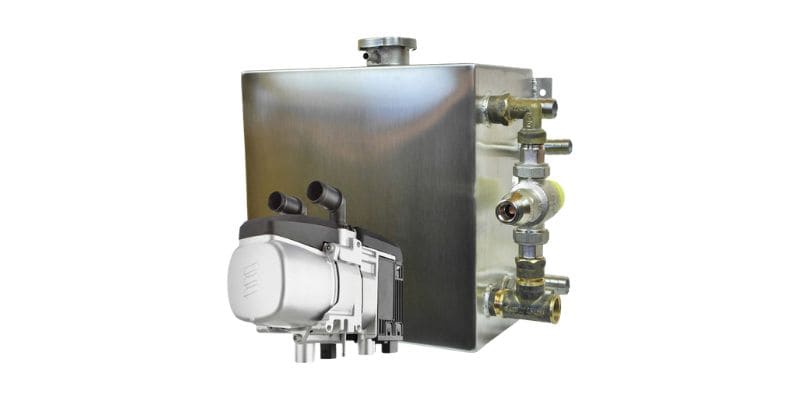
✔ Pros
- Single-fuel diesel, no LPG needed
- Fast hot water, useable in 6–7 minutes
- Australian-made and supported
- Retrofit-friendly and expandable
✗ Cons
- Controller sold separately, ships without coolant
- Not the silent radiant heat of a full Alde loop
- Non-affiliate retailer
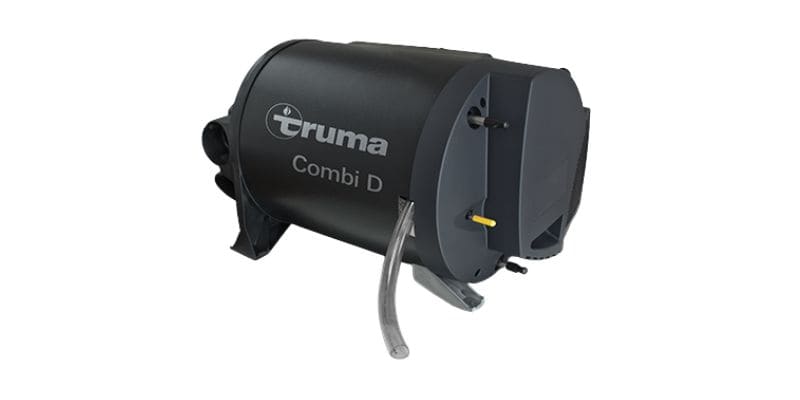
✔ Pros
- Single-fuel diesel, ditches LPG
- Ducted heat and 10L hot water in one unit
- Faster warm-up than a wet system
- Proven, popular, well-supported
✗ Cons
- Blown air, so not silent and can give hot and cold spots
- Not true whole-van radiant hydronic
- Louder and dearer than a gas Combi
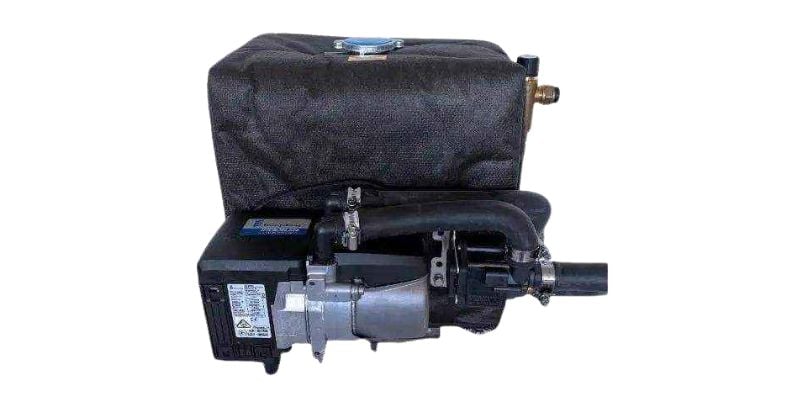
✔ Pros
- Premium, proven German diesel core
- Optional air matrix for combined air and water
- Steady, reliable hot water flow
✗ Cons
- More of a build-around core than a finished kit
- Dearer than the Dieselheat DH9
- Non-affiliate retailer
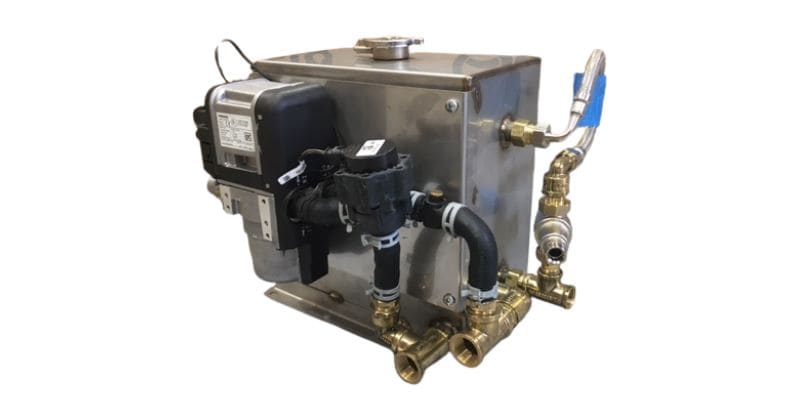
✔ Pros
- Large 15L buffer for plenty of hot water
- Pre-assembled for easier fitting
- Can run while driving
- Trusted Webasto name and support
✗ Cons
- Among the dearest here
- No live price on the product page, verify current pricing
- Non-affiliate retailer
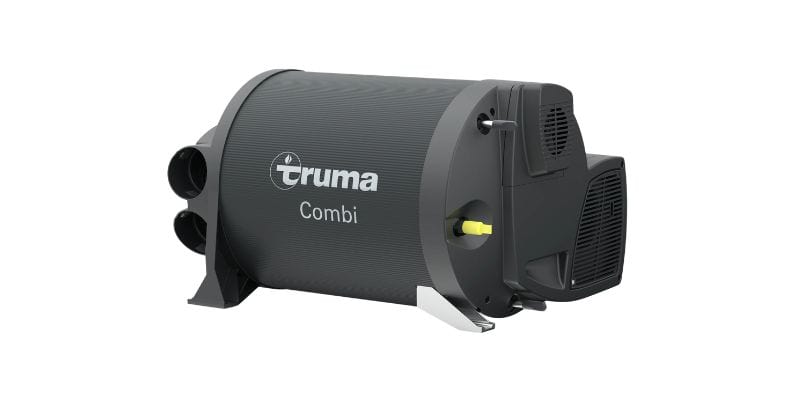
✔ Pros
- Lighter and cheaper than full hydronic
- Gas off-grid, electric on power, combinable
- Heat and 10L hot water in one
- Proven mainstream choice
✗ Cons
- Blown air, not silent even heat
- Ties you to LPG off-grid
- Verify current pricing before buying
Quick Comparison Table
Here is how the systems stack up side by side.
| System | Type | Fuel | Output | Hot Water | Price | Best For |
|---|---|---|---|---|---|---|
| Alde Compact 3020 HE Best Pick | Full wet hydronic | Gas + 240V | 5.5kW + elec | Yes, 8.4L | Boiler ~$2,300–3,100 | Premium cold-climate comfort |
| Dieselheat DH9 Best Diesel | Diesel hydronic HW | Diesel | 1.3–5kW | Yes, 9L | $3,198 | Off-grid, AU-made |
| Truma Combi D6 | Air + water hybrid | Diesel | ~6kW | Yes, 10L | $2,869 | Single-fuel, ditch LPG |
| Eberspacher Hydronic HS3 D5E | Diesel hydronic HW | Diesel | 1.3–4.3kW | Yes | $3,749 | Premium German core |
| Webasto EVO5 | Diesel hydronic HW | Diesel | 5kW | Yes, 15L buffer | ~$3,000–4,000 | Big buffer, pre-assembled |
| Truma Combi 4E | Air + water hybrid | Gas + 240V | ~4kW | Yes, 10L | ~$2,000–2,600 | Lighter, cheaper mainstream |
A Word On Installation
Unlike a bare diesel air heater, which a confident owner can fit in a day, hydronic is not a DIY project. This is the single biggest thing to understand before you commit.
A full wet system like Alde has pipework and convectors routed around and under the whole van, which is why it is almost always a factory decision made when the van is built. The diesel hydronic kits and the Truma Combi units are more retrofit-friendly, but they still involve a fuel line, an exhaust through the floor, coolant and water plumbing, and a 12V connection, so they belong with a professional installer. Budget for that fit cost on top of the hardware price, and treat every price in this guide as install-dependent.
If you are optioning a new van, decide on hydronic at the build stage. Retrofitting a full wet loop into a finished caravan means pulling furniture and floors, which is expensive and rarely worth it compared to fitting a lighter diesel unit instead.
Frequently Asked Questions
Does hydronic heating also heat my hot water?
Yes, that is a big part of the appeal. Alde heats water through its glycol tank coil, the Truma Combi units carry a 10L tank, and the diesel hydronic kits run 9 to 15L. One system does cabin heat and shower water together, unlike a bare diesel air heater which does not touch your hot water at all.
Is it worth retrofitting to an existing van?
A full Alde loop, rarely, because the install is so disruptive. A diesel hydronic kit or a Truma Combi D6, yes, those retrofit reasonably well and are the usual upgrade path if you want heat and hot water on diesel without tearing the van apart.
Will hydronic flatten my batteries off-grid?
No. The circulation pump and, on diesel units, the glow plug and fuel pump draw 12V, but it is modest and any decent battery and solar setup handles it. The bigger off-grid consideration with a gas Alde is that you are burning LPG, so a diesel system suits single-fuel travellers better.
How much maintenance does a wet system need?
The main job is changing the glycol roughly every two years to keep corrosion and bacterial protection up. There are also more components in the loop than a simple air heater, so there is a bit more that can eventually need attention.
- Hydronic is the premium, install-heavy way to heat a van: silent, even warmth and hot water from one system, usually specced at build.
- The Alde Compact 3020 HE is the benchmark for whole-van comfort and warm floors, and is realistically a factory-fit choice.
- For off-grid diesel-tow travellers, the Australian-made Dieselheat DH9 is the standout, with the Truma Combi D6 the most practical single-fuel all-rounder.
- A plain diesel air heater does not do hot water, so if that matters you need a hydronic or Combi unit.
- Weigh the weight and cost honestly. If your rig is near payload or your lap is warm-weather, a light diesel air heater is the smarter buy.
Comment (0)