
Air fryers and multi-cookers have revolutionised caravan cooking. They slash cooking times, reduce heat buildup in your van, and let you cook restaurant-quality meals with minimal preparation. After testing dozens of models across two years of Big Lapping, we’ve found the best options for caravan life.
The choice between air fryers and multi-cookers comes down to your cooking style and power setup. Pure air fryers excel at crispy foods and quick cooking, while multi-cookers handle everything from slow cooking to pressure cooking. Your power situation dictates whether you need 12V, 240V, or both.
Power Considerations For Caravan Cooking
Your power setup determines which air fryers you can actually use. Most traditional air fryers draw 1500-2000 watts, making them suitable only for powered sites or substantial solar/battery systems.
For powered caravan sites, 240V models offer the best performance and capacity. A quality 8-litre air fryer can cook meals for families of four while using less power than your caravan’s air conditioner.
Freedom campers need a true 12V unit or have to size their electrical system to run a 240V one through an inverter. A 12V air fryer like the Road Chef draws around 250 watts, roughly 22 amps, which a decent battery bank and solar setup can handle. It plugs into an Anderson-style connector wired straight to your battery, not a cigarette socket, and needs no inverter. Cooking times are longer and capacity is smaller than a 240V unit, but you can cook genuinely off-grid.
Run 240V air fryers during solar peak hours (11am-2pm) to minimise battery drain when freedom camping with an inverter.
Multi-cookers offer excellent value for Big Lappers who want versatility. Models like the Ninja Combi replace your slow cooker, pressure cooker, steamer, and air fryer. The space savings alone justify the investment in most caravans.
What To Look For When Buying
- Capacity: 3-4L for couples, 6-8L for families. Consider batch cooking for meal prep.
- Power consumption: Check your electrical system can handle the draw, especially for 240V models.
- Build quality: Stainless steel baskets last longer than non-stick coatings in caravan storage.
- Compact design: Measure your kitchen bench space and storage areas before buying.
- Controls: Digital displays work better than mechanical timers in vibrating caravans.
- Accessories: Additional racks and trays expand cooking options without extra storage needs.
- Warranty: Look for Australian warranty coverage that includes caravan use.
Temperature control matters more than fancy presets. Look for models offering 80-220°C temperature range with accurate controls. Many cheap air fryers run hot or have dead spots that burn food.
Never use air fryers inside caravans without adequate ventilation. The heat and steam output can trigger smoke alarms and cause condensation problems.
Best Air Fryers & Multi-Cookers Reviewed
| Model | Price | Capacity | Power | Best For |
|---|---|---|---|---|
| Ninja Combi 14-in-1 Best Overall | $388 | 6L | 240V | Powered sites |
| Wolstead Cookmaster 14-in-1 | $650 | 8L | 240V | Large families |
| Wonder Oven | $289 | 6L | 240V | Compact versatility |
| Road Chef 12V Best 12V | $289 | 3L | 12V | Freedom camping |
| Devanti 7L | $167 | 7L | 240V | Budget families |
Best Multi-Cookers
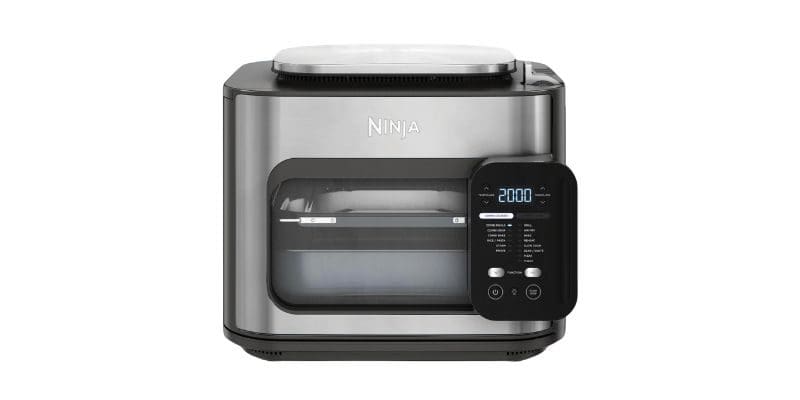
✔ Pros
- Replaces multiple appliances
- Excellent build quality
- Precise temperature control
- Large capacity for families
✗ Cons
- Higher upfront cost
- Learning curve for all functions
- 240V only
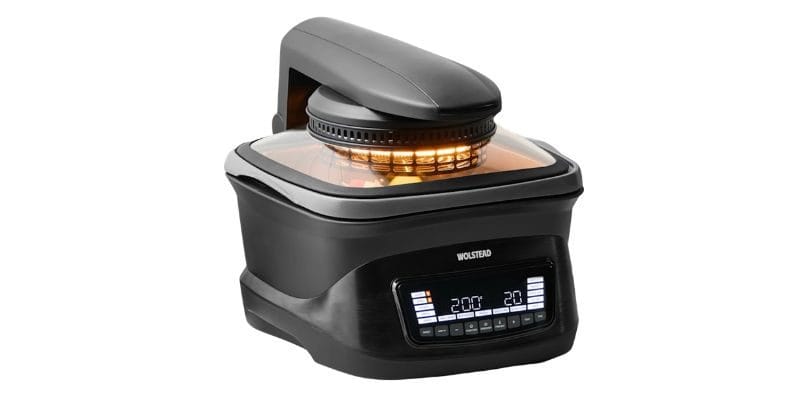
✔ Pros
- Large 8L capacity
- Commercial-grade construction
- Extensive cooking functions
- Excellent heat distribution
✗ Cons
- Very expensive
- High power consumption
- Large footprint
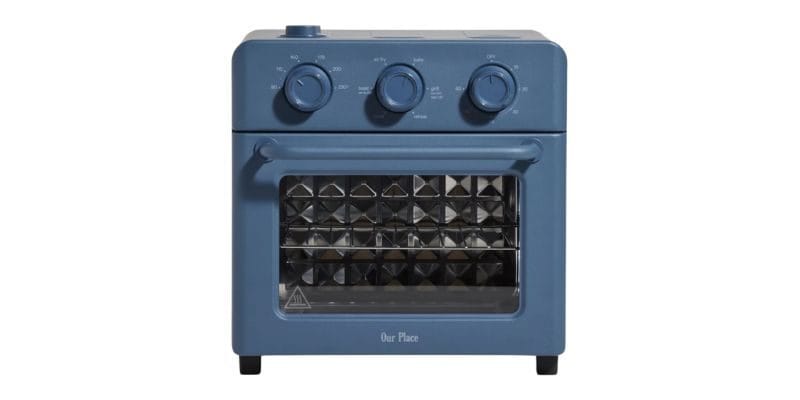
✔ Pros
- Extremely compact design
- Australian brand support
- Good capacity for size
- Lower power consumption
✗ Cons
- Fewer functions than competitors
- Limited availability
- Smaller capacity than price suggests
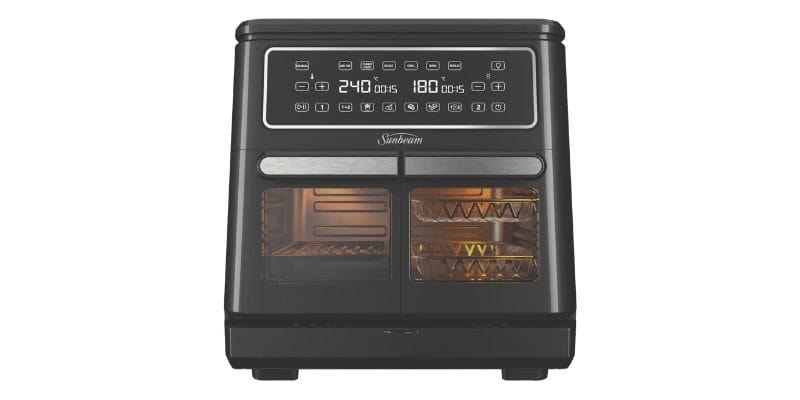
✔ Pros
- Cook two foods simultaneously
- Independent zone controls
- Large overall capacity
- Good value for versatility
✗ Cons
- Large footprint
- Higher power consumption
- More complex operation
Best 240V Air Fryers
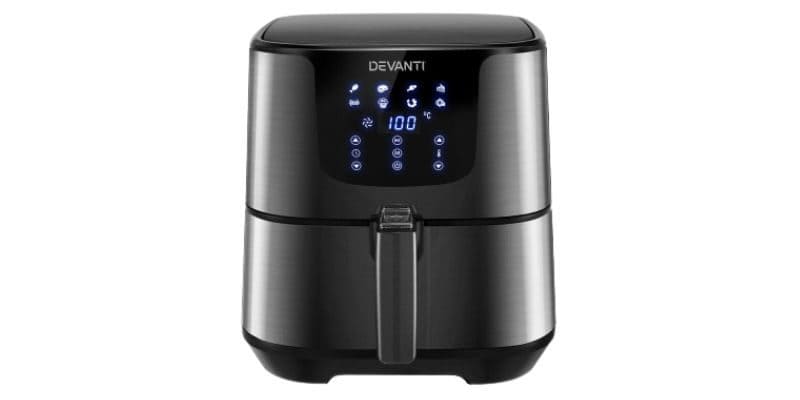
✔ Pros
- Excellent value for money
- Large 7L capacity
- User-friendly LCD display
- Good heat distribution
✗ Cons
- Non-stick coating may wear
- Limited warranty coverage
- Plastic construction feels cheap
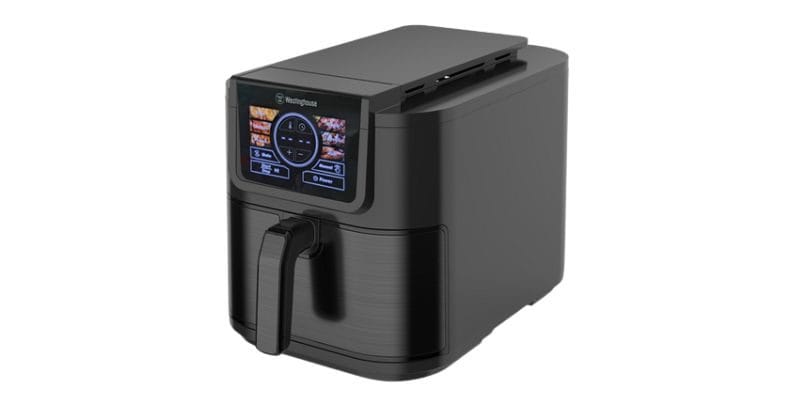
✔ Pros
- Huge 8L capacity
- Durable stainless steel build
- Even heat distribution
- Available at caravan dealers
✗ Cons
- High power consumption
- Large footprint
- Single function only
Place air fryers on heat-resistant mats to protect caravan benchtops. The units get surprisingly hot during operation.
Best 12V Options
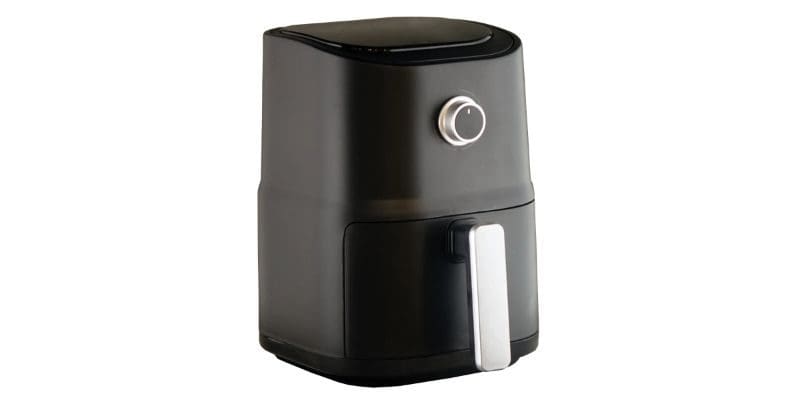
✔ Pros
- True 12V operation, no inverter needed
- Quality construction
- Cooks a meal in around 15 minutes
- Designed for caravanning
✗ Cons
- Small 3L capacity
- Needs an Anderson plug and proper cabling, not a cig socket
- Higher price per litre
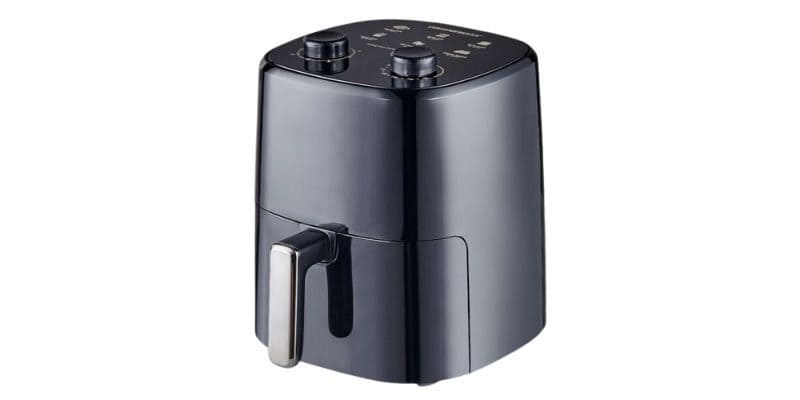
✔ Pros
- Good value for money
- Larger 4L capacity than the Road Chef
- Fire-ban safe, no flame
- Available nationwide
✗ Cons
- Basic build quality
- Slow cooking times
- Needs proper Anderson wiring and a 40A fuse
Installation & Setup Tips
Air fryers throw out a surprising amount of hot, moist air, so ventilation is the first thing to sort. Crack a window or pop a roof hatch, and run the rangehood if you have one. Cooking with the van sealed up fogs your windows, leaves condensation in the cupboards, and is the quickest way to set off the smoke alarm halfway through dinner.
If you are running a 240V air fryer off your batteries rather than mains power, the numbers matter. A 1500 to 1800W unit needs a pure sine wave inverter rated comfortably above that (2000W or more) and a battery bank that can wear the hit. Run it during the solar peak, and do not fire it up at the same time as the kettle, toaster or air conditioner on a 15A site lead, or you will trip the breaker.
12V air fryers pull serious current, far more than a phone charger or a fridge. The Road Chef draws around 22 amps and the Companion Roam needs a 40-amp fuse, so both must run off an Anderson-style plug wired to your battery or power station with adequate cabling, never a cigarette socket. A standard 12V accessory socket is rated for about 10 amps and plugging one of these in can melt the plug and start a fire. Wire it in properly.
On the bench, sit the unit on a heat-resistant mat, since these things get hot enough to mark a laminate top. Only ever run it set up at camp, never while you are moving, and pack it away secured so it is not launching across the van on the corrugations. And remember that 12V models are slower than 240V, so start dinner a bit earlier than you would at home.
- Match the appliance to your power: 240V for powered sites or a serious solar and inverter setup, 12V for genuine off-grid cooking.
- A multi-cooker like the Ninja Combi replaces several appliances and saves precious bench and cupboard space.
- 12V units are slower and smaller, but they let you cook off-grid and during fire bans.
- Always ventilate, protect the benchtop, and wire 12V units properly with an Anderson plug and the correct fuse, never a cigarette socket.
Comment (1)